
The Tour de France: The World's Biggest Sporting Event
Join the ride that is the world’s largest sporting event
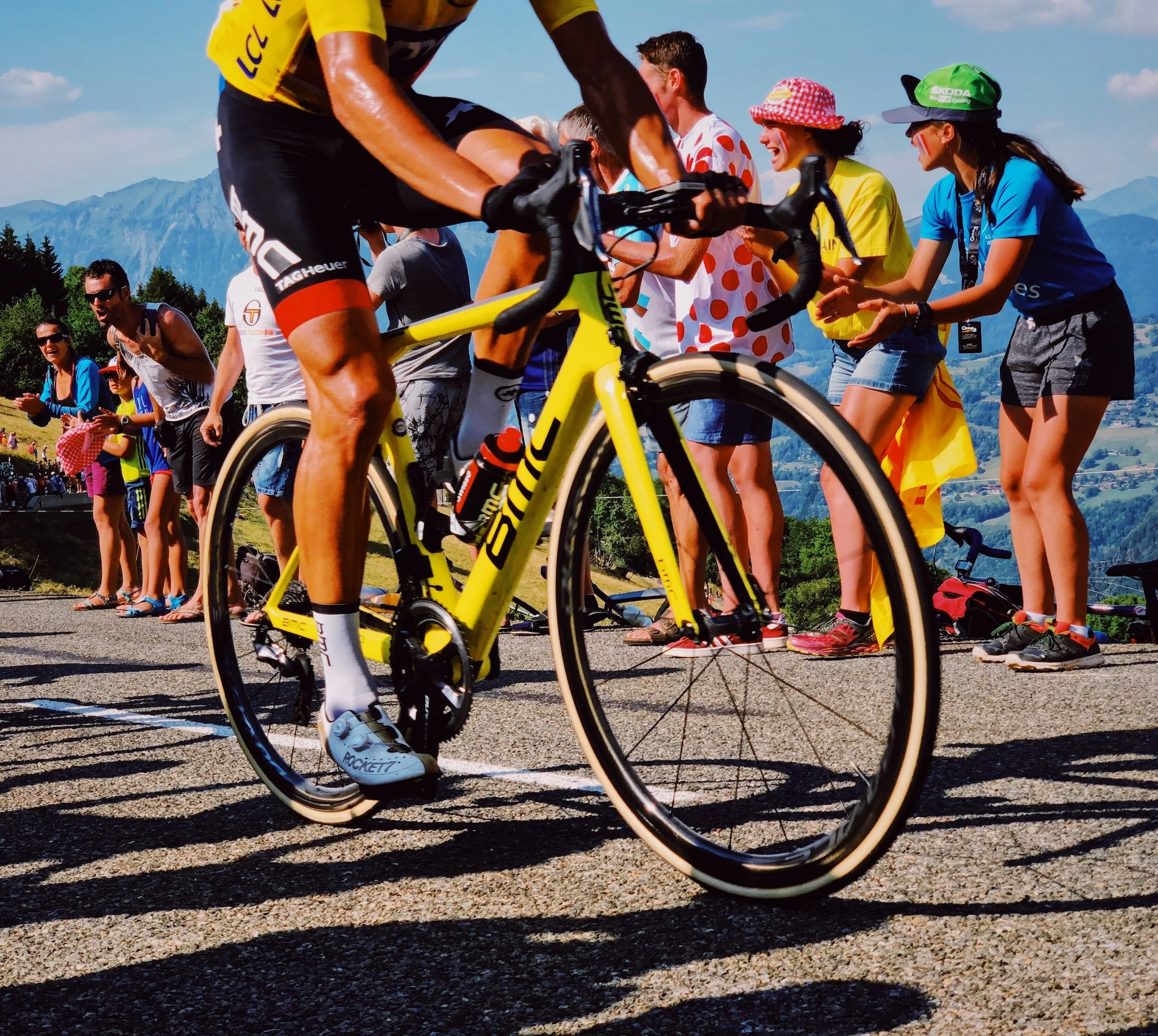
Photo: Instagram/wimbledon
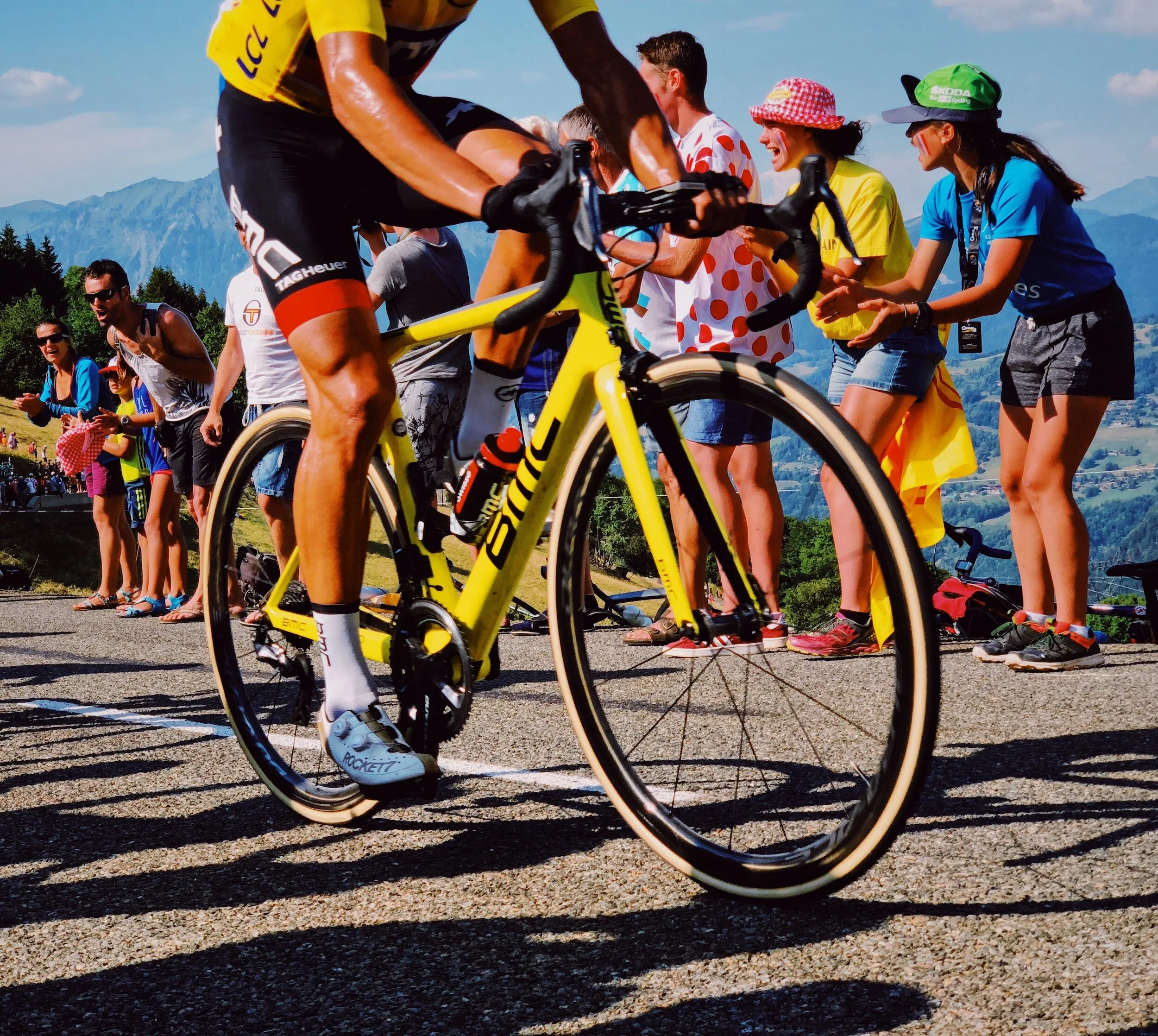
Overview - The Tour de France is the world's biggest annual sporting event, with 3.5B television viewers and over 12M spectators annually. It starts on July 1 and runs through July 23. It covers over 2,115 miles and features 22 teams of eight riders. There are 21 stages (i.e., mountain or flat) that make up the race. Out of the 23 days of the Tour, the riders only have two days of rest.
1. Until the 1960s, it was common for participants to drink alcohol to hydrate and numb the pain. Despite its 'healing power,' alcohol was later banned because it's a stimulant. BRAKE FOR BOOZE
2. It's not all about the benjamins. After enduring three weeks of grueling terrain through France after starting in Spain, the many winners of the stages and the race divide up $2.5M in prize money. (For comparison's sake, the Wimbledon men’s and women’s champions each take home $2.9M). The man to beat for the cash prize is defending champion Jonas Vingegaard of Denmark and two-time champion Tadej Pogacar. CASHING IN
3. While you may fly solo while spinning away on your Peloton at home, in the Tour, a big group of riders is called the peloton, or French for "group." Other terms you might enjoy dropping into conversation include a musket bag, a shoulder bag containing food and water handed to riders at feeding stations. Then there's a SAG wagon. You and I might know it as an Uber, but it's a vehicle that follows cyclists and picks them up when they can no longer ride, whether from fatigue, injury, equipment failure, etc. OUI
4. There are two American teams in this year’s race (out of 22 teams). Their riders are vying for the yellow jersey. Why the different colored jerseys? The overall leader in the Tour wears a yellow jersey, the points leader wears a green jersey, and the red polka dot jersey goes to the best hill climber. SO FASHION-FORWARD
5. When Le Tour is over, the excitement doesn't stop. It’s the second year of the Tour de France Femmes, the new stage race for pro-women, which runs from Jul 23 - 30. the eight-stage race packs in 594 miles across central and southwestern France. LET’S GO, GIRLS

The Savannah Bananas - The Must-See Show Of The Summer
This is banana ball, and it’s like nothing you’ve ever seen before.

Photo: Instagram/thesavbananas
Written by Maddie Schlehuber
We’ve all seen them—the good-looking, yellow-dressing, home-run-hitting team from Georgia: the Savannah Bananas. If you weren’t a baseball fan before, you might change your mind. This sensational team has carved out a niche in the sport, embracing the fans as a part of the game experience while putting on quite a performance. Every gameday, people pack the small stadium early, enjoying beer and hotdogs and repping the unmistakable banana-yellow merch to watch the show. Best known for everything but playing baseball, you might be curious as to where the Savannah Bananas came from; who even are they? We have the answers and a little more to their story here.
In Savannah, Georgia, locals are lucky enough that their home team plays all year round. There is no agonizing off-season. There is no regular spring training. The Bananas are always ready to play; their fans go wild for them every game. For folks who aren’t lucky enough to be in person at the ballpark, the social media team works overtime to produce viral content on all their platforms, increasing their attention and attendance. Some popular videos are TikTok trends, choreographed dances, or trick pitches that send batters into overdrive. Instead of a pom team, they have the Banana Nanas, who are, as you might guess, all grandma-age but just as young at heart, putting on their dances on the field. Even the umpire shakes it a little for the camera. It is truly bananas.
We can’t ignore that their players also know their angle because being a part of the Bananas is more than being a good baseball player… they have to have the right moves, too. Often seen sporting mullets and yellow cowboy hats, the players assume a performative role just as much as they play a position, timing their game down to the minute so it adheres to the “under two hour” rule of Banana Ball. It is all about making a faster-paced game that fans pay attention to, something Major League Baseball might want to take notes on (see new rules on the pitch clock here).
At their home field, historic Grayson Stadium, the bleachers have seen an evolution of the sport of baseball. Built in 1926, the stadium was home to various minor league teams, as well as host to exhibition games for major league players, too. Legends like Babe Ruth graced the field. And Hank “Hammerin’” Aaron hit one over the fences on his visit, and Yankee legend Mickey Mantle played an exhibition game there in the 1950s. Savannah was home to many minor league teams through the twentieth century, including the Senators, the White Sox, the Braves, and most recently, the Savannah Sand Gnats. These days, the old stadium sees more action than ever with the Savannah Bananas, even if the sport doesn’t look quite as it did back in the day.
The Savannah Bananas are relatively new, founded in 2016. They operated more closely to a club team for their first seven seasons, playing in the Coastal Plain League (CPL) and winning a few championships. They had fans from day one, but after finding success with their adaptation of the baseball they call “Banana Ball,” they ultimately went all-in and decided to become a year-round entertainment team in 2022, leaving the CPL and traditional baseball behind.
Banana Ball is a fast-paced, fan-central experience that resembles baseball. Sure, there are hits and pitches, outs and strikes, but intermixed is a hilarious and captivating performance of dances, skits, routines and costume changes. The players are all talented, many of whom came from college teams or junior leagues, but they only play one opponent who is just as committed to the “performance:” the Party Animals. Some have compared these games to the Harlem Globetrotters’ model. This is a Savannah-created roster that the Bananas play all of their exhibition games against, and they are just as crazy.
So how did they get here? It seems like a dream—year-round games. Happy players. International success. What is the secret? It might just be all in their strategy. They put their fans first but also take care of their players by making sure they have what they need to be healthy and ready to play. According to their “2025 Vision” plan, they define a pretty straightforward marketing strategy: Get Attention. It has worked. So, we all support Banana Ball, and this summer, you might be lucky enough to have them play at a field near you. You bet we want tickets.

From Charity To The Maple Syrup Business - What Athletes Do In The Off-Season
While some may envision athletes spending their off-time lounging on tropical beaches, the reality is quite different.
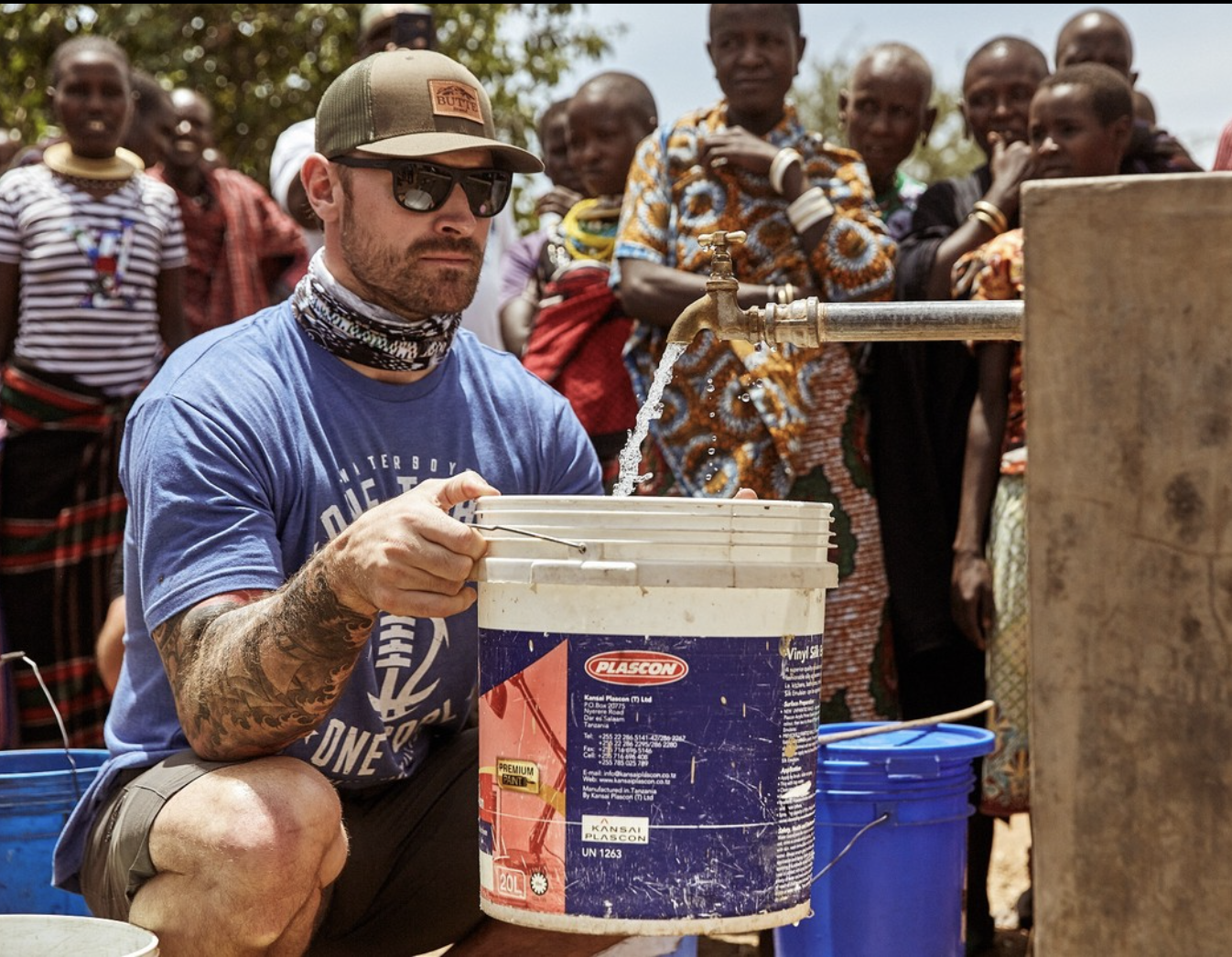
Photo: Instagram/waterboysorg
The off-season is crucial for athletes to recover, rejuvenate and prepare for the next competitive season. While some may envision athletes spending their off-time lounging on tropical beaches, the reality is quite different.
WNBA and Overseas Leagues
Most WNBA (Women's National Basketball Association) players utilize the off-season to make money to supplement their regular season salaries. Sure, they also develop their skills and gain valuable experience by playing in other leagues overseas, but the wear and tear on their bodies make it a challenge. Look no further than Brittany Griner to see that other challenges are presented beyond physical deterioration.
European Soccer
European soccer leagues are known for their relentless schedule, with matches occurring throughout the year. While there might not be a traditional off-season, players often have short breaks between seasons or international competitions to recharge and spend time with their families.
Minor League Baseball
Minor League Baseball players hoping to make it to the big leagues (MLB - Major League Baseball) face unique challenges during the off-season due to their lower salaries. The recent, and first of its kind, collective bargaining agreement (CBA) has set the wages higher, but still challenging considering the players are in-season from February until typically September and training to make a big league team in between.
Minor League Salaries per the CBA:
• Complex league: from $4,800 per year up to $19,800
• Low-A: $11,000 to $26,200
• High-A: $11,000 to $27,300
• AA: $13,800 to $30,250
• AAA: $17,500 to $35,800
To make ends meet and continue pursuing their dreams, players engage in activities like coaching youth camps, providing private instruction, selling real estate, or even working in construction.
Athletes' Training Regimens
Many professional athletes remain dedicated to their training routines even during the off-season. LeBron James, for instance, invests a substantial amount, approximately $1.5M per year, to stay in peak physical condition. He employs cutting-edge technologies like cryotherapy and hyperbaric chambers and surrounds himself with a team of professionals, including a personal chef, masseuse and trainer.
Off-Field Contributions
Many athletes, like Chris Long, extend their impact beyond the field during the off-season. Chris Long, a philanthropist and two-time Super Bowl champion, founded the Waterboys organization to address the global water crisis. Through partnerships, like recruiting his teammates, and other initiatives, the organization has aided over 500,000 people in need.
Olympians' Diverse Pursuits
Olympic athletes face unique circumstances, as they often do not receive direct payment for their participation unless they win a medal. However, they have diverse off-season activities that contribute to their personal and professional growth. For instance, Hilary Knight, a celebrated women's hockey player, competes at the Olympic level and plays in the PWHPA (Professional Women's Hockey Players Association), working towards building a sustainable women's hockey league. Additionally, athletes like Ryan Cochran-Siegle, Nina Roth, Vicky Wright and Tabitha Peterson juggle their athletic pursuits with careers in fields like maple syrup farming, nursing and pharmacy.